Category: In the Woods

  • A Peaceful Ohio Cabin Retreat: Slow Mornings & Moonlit Nights at The Ren

    A Peaceful Ohio Cabin Retreat: Slow Mornings & Moonlit Nights at The Ren

    Moonlit Hot Tubs & Forest Mornings: Inside This Ohio Cabin Getaway.

    There are cabins you stay in, and then there are cabins you sink into—the kind that reset your breathing, soften your shoulders, and remind you how good it feels to be surrounded by trees. The Ren, tucked quietly into the woods of Hocking Hills, is one of those rare places where the outdoor experience becomes the heart of the trip.

    The Ren is a modern 850‑sq‑ft cabin tucked deep in the Hocking Hills woods, offering two bedrooms, two bathrooms, a hot tub, and a peaceful private setting. This cozy Ohio cabin blends sleek design with natural beauty and sits close to popular Hocking Hills trails and attractions.

    This modern 850‑square‑foot cabin is beautiful inside, of course, but what really stayed with me were the moments spent outdoors: coffee on the porch, birdsong drifting through the trees, a hot tub soak under a full moon, and the kind of deep quiet you only find at the end of a forest road.


    A Porch Made for Slow Living

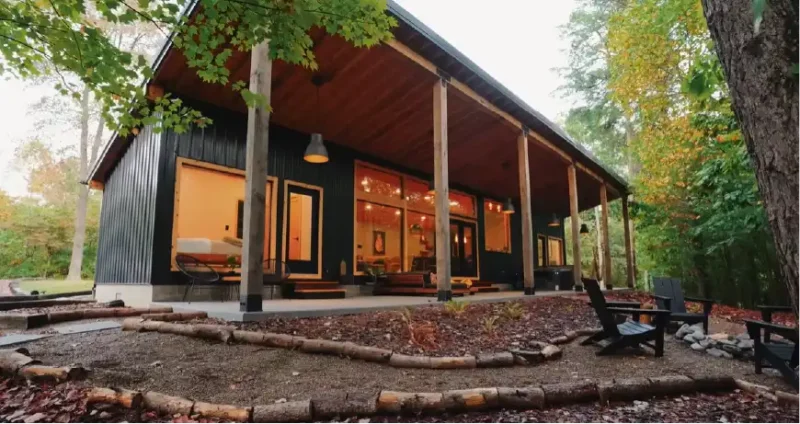
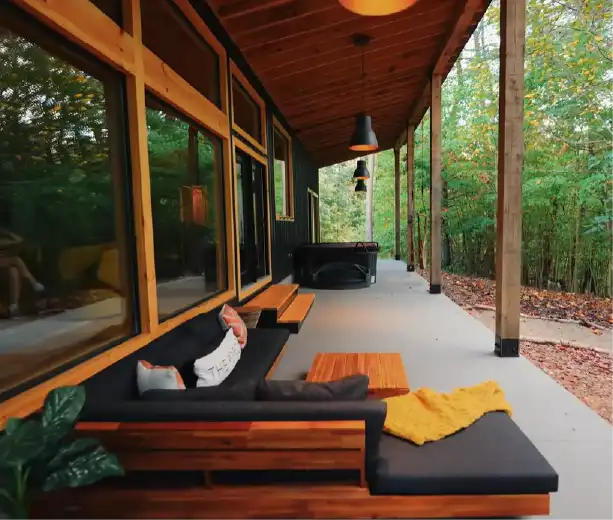
    The Ren sits privately at the end of a wooded lane, and the moment you step onto the covered porch, you understand why people come here to unwind. The porch stretches across the front of the cabin, offering a cozy lounge area that quickly became my favorite spot.

    Explore The Ren cabin in Hocking Hills—modern design, private setting, hot tub, and easy access to top Ohio hiking trails. Watch the full tour and book your stay.

    Most mornings started the same way: wrapped in a blanket, coffee in hand, book open on my lap. The forest wakes up gently here—soft rustling, distant woodpeckers, the occasional squirrel making its grand entrance. I’d read until the sun warmed the porch just enough to make me forget the chill, and only then would hunger finally nudge me inside to make brunch.

    It’s the kind of porch that encourages lingering.


    A Hot Tub Under the Full Moon

    If the porch is perfect for mornings, the hot tub is pure magic at night. Set just off the patio, it feels tucked into its own little corner of the woods. On clear nights, the sky opens up above you, and if you’re lucky enough to catch a full moon like I did, the entire forest glows.

    If you like my blog, consider subscribing. Thanks!

    There’s something grounding about soaking in warm water while the cool night air brushes your shoulders. The trees sway, the stars shimmer, and the world feels wonderfully quiet. It’s the kind of moment you want to bottle up and take home.


    Fire Pit Nights & Easy Conversation

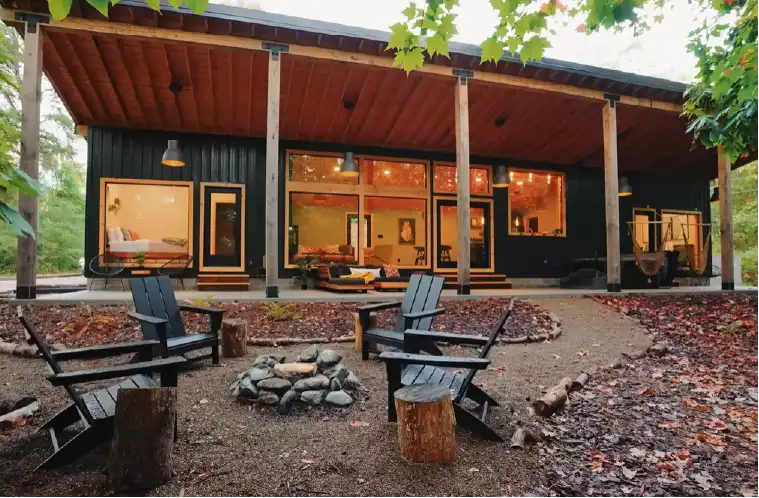
    After a long soak, the fire pit becomes the natural next stop. It’s positioned just far enough from the cabin to feel like its own gathering space, but close enough to wander back inside when the night gets chilly.

    Discover The Ren, a modern 2‑bed, 2‑bath cabin in Hocking Hills with a hot tub, fire pit, and private forest views. See the full tour and plan your Ohio getaway.

    I loved ending the evening here—wrapped in a sweater, sipping a nightcap, letting the warmth of the fire chase away the last bit of cold. The crackling logs, the scent of woodsmoke, the glow of embers… it all adds up to a perfect outdoor ritual.

    Whether you’re sharing stories with friends or simply enjoying the quiet, the fire pit makes the night feel complete…almost as good as my last cabin getaway (but better in many ways).


    Inside The Ren: Modern Comfort Between Outdoor Adventures

    Inside The Ren: A Cozy, Modern Cabin Rental in Hocking Hills, Ohio

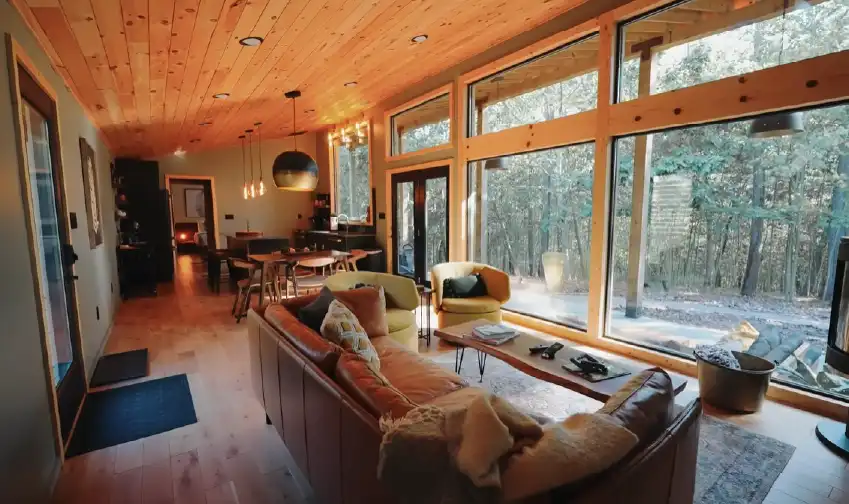
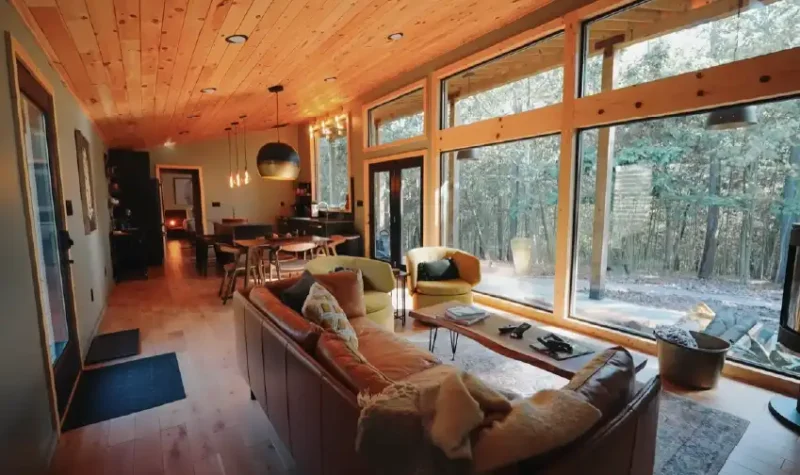
    Even with all the outdoor charm, the inside of The Ren is just as thoughtfully designed. The open‑concept living room centers around a cozy fireplace, and the kitchen—with its black Café appliances and forest‑view window—makes cooking feel like part of the experience.

    Two bedrooms sit on opposite sides of the cabin, each with patio access and its own bathroom. One bedroom is slightly larger, while the other wins in bathroom design with its gold accents and cool tile flooring. It’s a perfect balance for couples or small groups who appreciate a little privacy.


    Exploring the Trails & Natural Wonders of Hocking Hills

    When you’re ready to venture beyond the porch, Hocking Hills offers some of the most beautiful trails in Ohio. From dramatic rock formations to peaceful forest paths, the region is full of places to wander:

    • Old Man’s Cave
    • Devil’s Pool
    • Scenic hiking trails with waterfalls and stone bridges
    • Towering cliffs and shaded ravines

    It’s a dream for anyone who loves being outdoors.


    Why The Ren Belongs on Your Cabin Getaway List

    If you’re craving a retreat where the outdoor experience is just as memorable as the cabin itself, The Ren delivers. From moonlit hot tub nights to slow porch mornings, it’s a place that invites you to breathe deeper, move slower, and reconnect with the simple joys of being outside.

    Whether you’re planning a romantic weekend, a nature‑focused escape, or a quiet solo retreat, this Hocking Hills cabin is the perfect backdrop.

  • Winter Camping in Pennsylvania: Lessons Learned from a Cold Night Under the Stars

    Winter Camping in Pennsylvania: Lessons Learned from a Cold Night Under the Stars


    Last February, when most people were dreaming of spring from the comfort of their heated homes, I found myself packing my gear for what would become one of my most challenging—and rewarding—outdoor adventures yet: winter camping in the Pennsylvania wilderness.

    snow nature man person
    Winter camping can be cozy, but only with the right gear and good mix of hot chocoloate. Photo by Tima Miroshnichenko on Pexels.com

    Growing up in Butler, I’d spent countless nights camping during the warmer months, but winter camping? That was uncharted territory. The idea had been brewing for months, sparked by a conversation with a fellow outdoor enthusiast who swore that winter camping offered some of the most peaceful and beautiful experiences nature had to offer.

    “You just need the right gear and the right mindset,” she’d told me. As it turns out, she was absolutely right—though I learned that lesson the hard way.

    Why Winter Camping?

    Before I dive into the practical aspects, let me share why winter camping captured my imagination in the first place. There’s something magical about the winter woods that you simply can’t experience any other time of year. The silence is profound—no insects buzzing, no leaves rustling, just the occasional crack of a tree branch under the weight of snow.

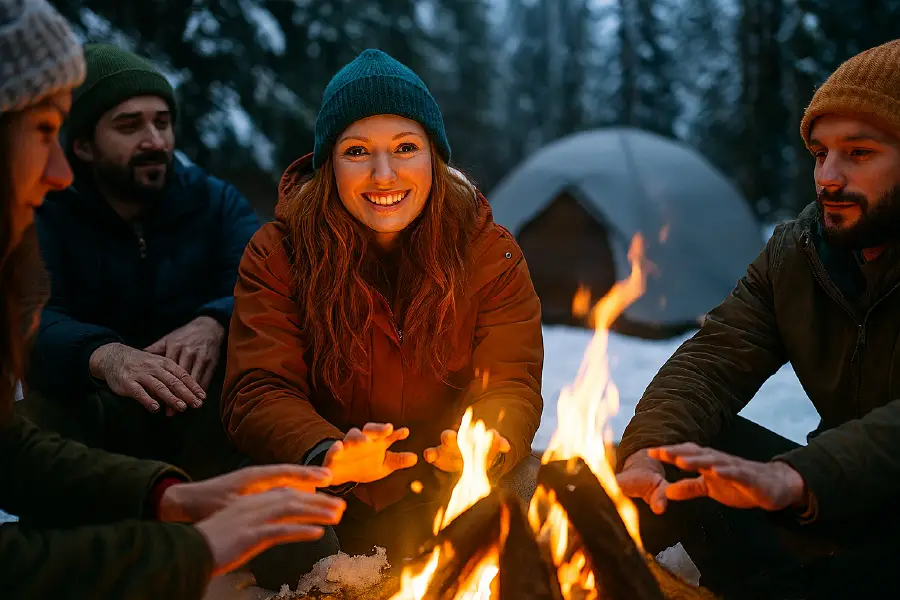
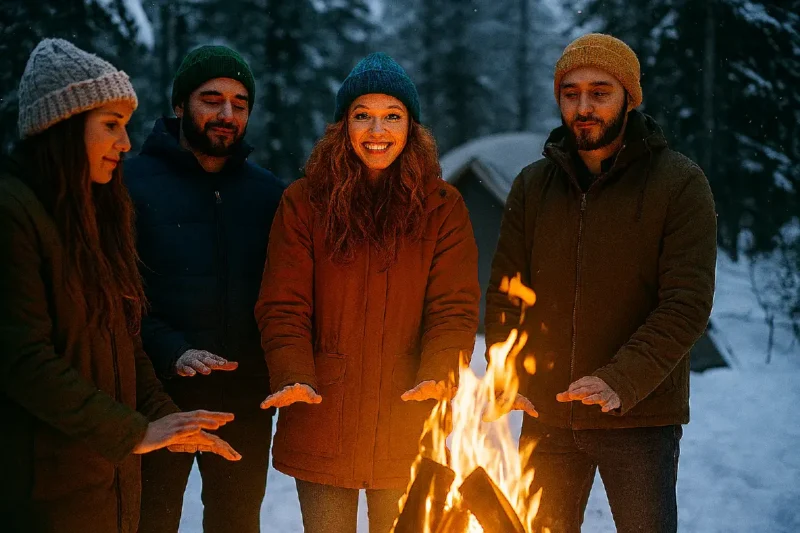
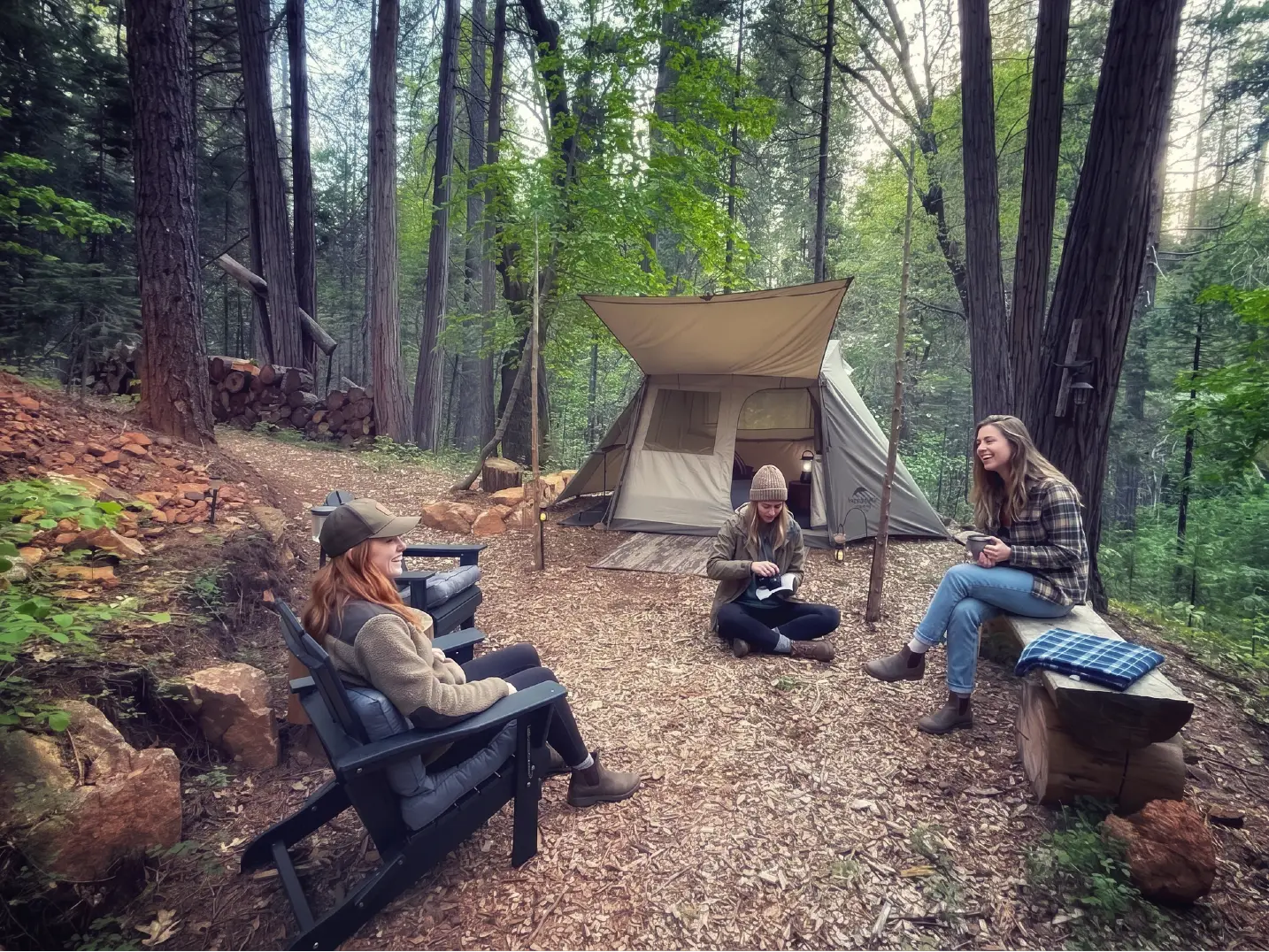
    With friends around the winter campfire in PA

    The landscape transforms into something almost otherworldly. Familiar trails become mysterious pathways through a crystalline wonderland. And the stars? On a clear winter night, with no humidity or haze, the sky becomes a brilliant tapestry that takes your breath away.

    But perhaps most importantly, winter camping pushes you to connect with nature in a more intentional way. Every decision matters more when the temperature drops below freezing. You become acutely aware of your gear, your body, and your environment in ways that summer camping simply doesn’t demand.

    Essential Gear: What I Learned the Hard Way

    My first winter camping trip taught me that gear isn’t just about comfort—it’s about safety. Here’s what I discovered works (and what doesn’t) when the mercury drops…

    The Sleep System: Your Lifeline

    I cannot overstate the importance of a proper sleep system. My first mistake was thinking my three-season sleeping bag would suffice with some extra layers.

    Wrong.

    By 2 AM, I was shivering despite wearing every piece of clothing I’d packed.

    For winter camping, invest in a sleeping bag rated at least 10-15 degrees below the expected low temperature. I learned this lesson while lying awake, teeth chattering, promising myself I’d upgrade my gear before the next trip.

    Equally important is your sleeping pad. Cold ground will suck the warmth right out of your body, regardless of how good your sleeping bag is. I now use a closed-cell foam pad underneath an insulated air pad for maximum insulation from the ground.

    Layering: The Art of Staying Warm

    Forget cotton—it’s your enemy in winter camping. I learned this when my cotton base layer became damp with perspiration during the hike in, leaving me cold and clammy for hours.

    The layering system that works for me now:

    The key is being able to add or remove layers as your activity level changes. Too warm while hiking? Remove a layer. Setting up camp? Add insulation before you get cold.

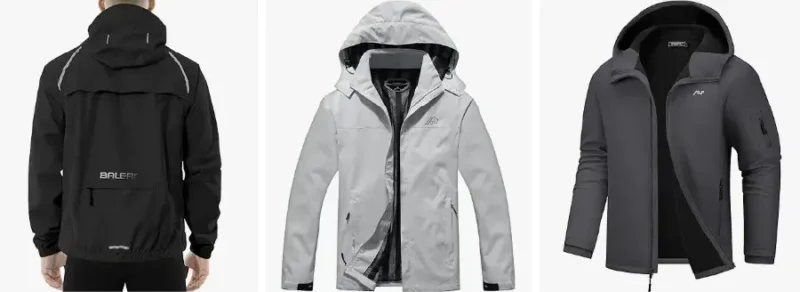
    Waterproof outer layers are versatile for cold weather outdoor activities – and necessary for winter camping.

    Footwear: Keep Those Toes Happy

    Cold feet can ruin a winter camping experience faster than anything else. I learned to bring an extra pair of dry socks (merino wool socks are even better) for sleeping and to never, ever sleep in the same socks I hiked in. Moisture is the enemy of warmth.

    Insulated, waterproof boots are essential, but don’t forget about camp shoes. I bring lightweight insulated booties for wearing around camp and inside my tent. Your feet will thank you.

    Staying Warm: Practical Strategies

    Eat and Drink for Warmth

    Your body needs fuel to generate heat, so winter camping isn’t the time to skimp on calories. I pack high-energy foods and make sure to eat regularly throughout the day. Hot drinks aren’t just comforting—they’re a practical way to warm your core temperature.

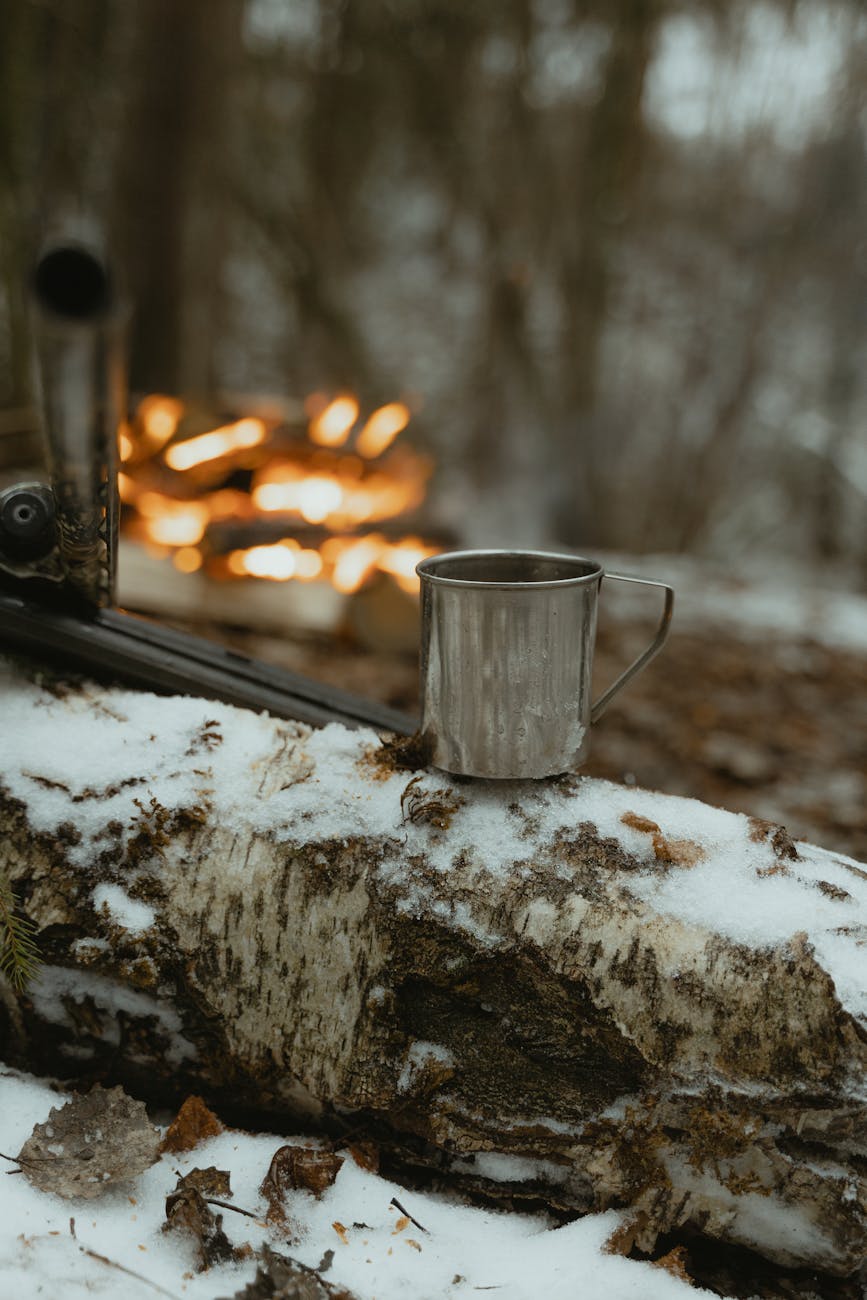
    I’ve become a master of the thermos. Hot tea, coffee, or even just warm water can be a game-changer when you’re feeling chilled. Pro tip: fill a water bottle with hot water before bed and tuck it into your sleeping bag. It’s like a personal heater that lasts for hours…and if you add lemonade flavored electrolytes, it fuels warmth + sleep.

    Movement is Medicine

    When you start feeling cold, move.

    Do jumping jacks, take a short walk, or do some stretches. I learned this during that first frigid night when I spent too much time sitting still while setting up camp. By the time I realized I was getting cold, it took significant effort to warm back up.

    The Buddy System

    While I love solo adventures, winter camping is one activity where having a partner makes sense, especially when you’re starting out. Not only is it safer, but sharing body heat in a two-person tent can make a significant difference in comfort levels.

    Safety First: What You Need to Know

    Winter camping isn’t just about discomfort—it can be dangerous if you’re not prepared. Hypothermia and frostbite are real risks that require serious consideration.

    Know the Signs

    Hypothermia doesn’t always announce itself dramatically. Sometimes it starts with uncontrollable shivering, confusion, or loss of coordination. I make it a point to check in with myself regularly: Am I thinking clearly? Are my hands working properly? Can I perform simple tasks?

    Have an Exit Strategy

    Always let someone know your plans and have a way to get out if conditions become dangerous. Cell service might be spotty, but a satellite communicator or personal locator beacon can be lifesavers in emergency situations.

    Weather Awareness

    Winter weather can change rapidly. What starts as a pleasant snow shower can become a dangerous blizzard. I’ve learned to check weather forecasts obsessively and to be conservative about conditions. There’s no shame in turning back if the weather looks questionable.

    The Rewards: Why It’s Worth It

    Despite the challenges—or perhaps because of them—winter camping has become one of my favorite outdoor activities. There’s something deeply satisfying about successfully spending a night outdoors when most people wouldn’t even consider it.

    The sense of accomplishment is profound. When you wake up in your tent, breath visible in the cold air, and realize you’ve successfully navigated a night in freezing temperatures, you feel capable of handling just about anything.

    And the beauty? It’s indescribable. Sunrise over a snow-covered landscape, the way ice crystals form on your tent, the absolute silence of a winter morning—these are experiences that photos can’t capture and memories can’t fully convey.

    Getting Started: My Advice

    If winter camping intrigues you, start small. Try car camping in cold weather before venturing into the backcountry. Practice setting up your tent in winter conditions in your backyard. Test your gear on shorter trips before committing to longer adventures.

    Most importantly, respect the environment and your own limitations. Winter camping isn’t about proving how tough you are—it’s about safely enjoying one of nature’s most beautiful seasons.

    That first winter camping trip in Pennsylvania taught me that comfort zones are meant to be expanded, not shattered. With the right preparation, gear, and mindset, winter camping can open up a whole new world of outdoor adventure.

    Just remember to pack extra socks.

    Trust me on this one.

    Share your cold weather tips in the comments below!

  • Post bow hunting relaxation.

    Post bow hunting relaxation.

    After an early morning bow hunting in the woods, there’s nothing better than slipping into something comfy and easing into the rest of the day.

    back home from bow hunting

    I made myself a fresh yogurt smoothie, found a sunny spot by the window, and cracked open a good book I’ve been meaning to get to.

    Relaxing after the hunt

    Somewhere between a few chapters and a long stretch of quiet, I started building out my hunting wishlist on Amazon—new trail cam, upgraded broadheads, maybe even a pair of boots I definitely don’t need but absolutely want.

    It’s the perfect kind of slow, cozy reset after the rush of a November hunt.

    winter PJs
    Getting into the holiday shopping sorta mood.

    Here’s a simple, delicious smoothie recipe that includes both coffee and kefir — creamy, energizing, and great after a long morning outdoors:

    Coffee-Kefir Energizing Smoothie

    Ingredients:

    • 1 cup chilled brewed coffee (or cold brew)
    • 1 cup plain or vanilla kefir
    • 1 frozen banana
    • 1 tablespoon honey or maple syrup (optional)
    • 1–2 tablespoons nut butter (almond, peanut, or sunflower)
    • ½ teaspoon cinnamon
    • A handful of ice cubes
    • Optional add-ins: 1 scoop protein powder, cocoa powder, or collagen

    Instructions:

    1. Add the coffee, kefir, and frozen banana to a blender.
    2. Toss in the nut butter, cinnamon, sweetener (if using), and ice cubes.
    3. Blend until smooth and creamy.
    4. Taste and adjust sweetness or thickness to your liking.
    5. Pour into a chilled glass and enjoy a tangy, lightly caffeinated pick-me-up.

    It’s probiotic-rich, energizing, and perfect for a post-hunt recharge.

    woman with coffee smoothie


    Finding the Perfect Forest for Deer Hunting

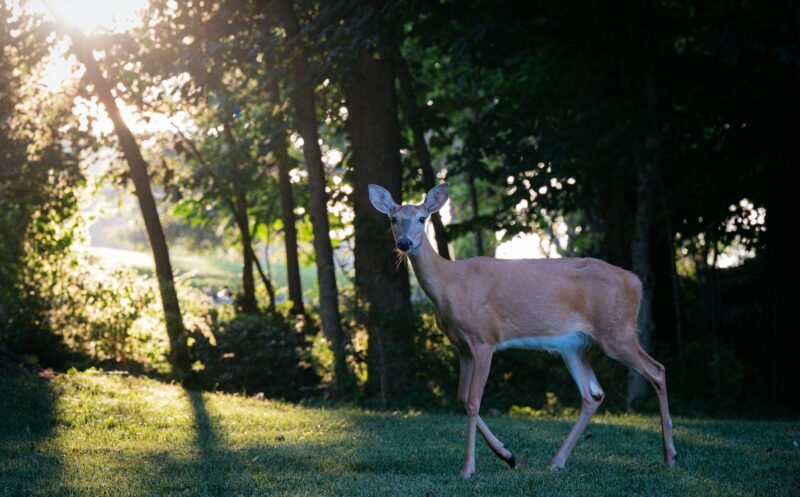
    deer walking in a forest
    Photo by Chris F on Pexels.com

    The perfect Southern forest for bow hunting deer in the fall feels like stepping into a quiet, living cathedral. Dawn settles over a mix of oak, hickory, and pine, their leaves shifting from deep green to warm shades of gold, rust, and burnt orange. The air is cool but not harsh—just enough to make each breath feel crisp and clean.

    A good Southern bow-hunting forest has layers, each one inviting deer movement.

    You’ll find:

    Mature Hardwoods

    Tall white oaks and red oaks dropping acorns that deer can’t resist. The ground beneath them is scattered with cracked shells and fresh tracks.

    Pine Ridges

    Dry, soft pine needles create quiet walking paths and make perfect bedding areas along the higher ground.

    Thick Edges & Transition Zones

    Where hardwood stands meet young cutovers or brushy thickets—prime travel corridors where bucks feel safe slipping between cover and food.

    A Nearby Water Source

    A slow-moving creek, swamp edge, or small pond draws consistent deer traffic, especially during warm Southern autumn days.

    The Sounds of Fall

    Squirrels rustling leaves, the distant call of a crow, and the faint crunch of hoofsteps on dry foliage… all surrounded by the earthy scent of damp soil and decaying leaves.

    Bow-Hunter Friendly Features

    • Natural funnels formed by terrain
    • A steady wind pattern for reliable stand placement
    • Plenty of large trees for hanging a stand or saddle
    • Open shooting lanes without losing the forest’s natural cover

    In the Southern fall, the forest is alive but unhurried—a place where the whitetail rut simmers, the mornings glow amber, and the woods feel made for quiet patience. It’s the kind of forest where a bow hunter can settle in, breathe easy, and become part of the landscape.

  • November Bow Hunting: Quiet Morning in the Autumn Woods

    November Bow Hunting: Quiet Morning in the Autumn Woods

    One Woman’s Bow-Hunting Story in the Autumn Woods

    A crisp November sun filtered through the last stubborn leaves as she settled into the blind, breath floating in faint white wisps. The world around her felt hushed, as if the woods themselves were holding their breath. She drew her camouflage jacket a little closer—not because she was cold, but because she loved the anticipation that came with these quiet mornings.

    selfie: in deer blind with bow

    She’d been bow hunting since she was a teenager, taught by her grandfather, who always said that November was the month when the forest revealed its true character. Today felt like one of those days he used to describe: calm, golden, expectant.

    She checked her bow, feeling the familiar weight in her hands. Everything about this ritual grounded her—the steadying of her heartbeat, the rustle of leaves in the distance, the soft hum of morning wildlife waking up. There was no rush here (or after as she relaxes).

    Bow hunting wasn’t about speed; it was about patience, respect, and reading the land.

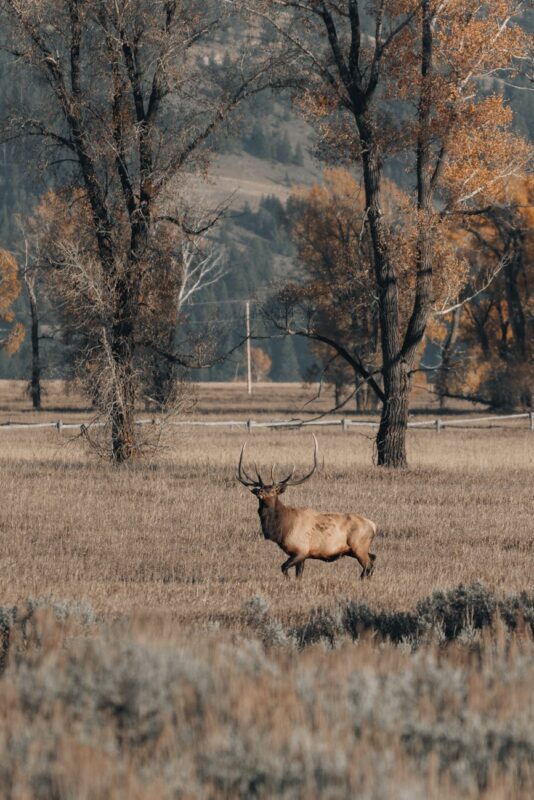
    buck on grassland
    Elk buck are off limits where I am. Photo by Isaac Mitchell on Pexels.com

    A faint crackle of movement caught her attention to the left. She froze, eyes scanning the tree line. A young buck stepped into view, cautious but unaware of her presence. For a moment, she simply watched it—admiring the way it moved through the brush with quiet confidence.

    She inhaled slowly, letting instinct take over. Whether she released the arrow or not wasn’t the point. For her, the heart of hunting was being part of something bigger than herself, something ancient and honest. She felt connected to the land, to her grandfather’s teachings, and to the stillness that made her feel more awake than any coffee ever could.

    woman with bow in tight jeans

    The buck paused, ears flicking at some distant sound, then disappeared back into the trees as quietly as it had come. She lowered her bow and smiled to herself. There was still plenty of day left, and November always had a way of surprising her.

    Getting ready the night before the hunt
    Getting ready the night before the hunt

    So she waited, surrounded by the soft glow of autumn, content with the hunt—whether or not it brought anything home.