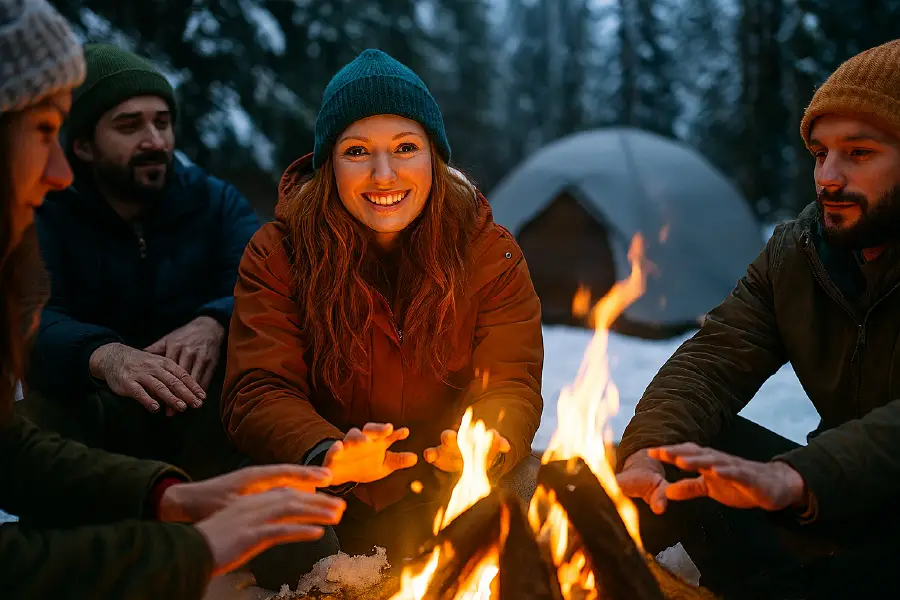
Last February, when most people were dreaming of spring from the comfort of their heated homes, I found myself packing my gear for what would become one of my most challenging—and rewarding—outdoor adventures yet: winter camping in the Pennsylvania wilderness.
Growing up in Butler, I’d spent countless nights camping during the warmer months, but winter camping? That was uncharted territory. The idea had been brewing for months, sparked by a conversation with a fellow outdoor enthusiast who swore that winter camping offered some of the most peaceful and beautiful experiences nature had to offer.
“You just need the right gear and the right mindset,” she’d told me. As it turns out, she was absolutely right—though I learned that lesson the hard way.
Why Winter Camping?
Before I dive into the practical aspects, let me share why winter camping captured my imagination in the first place. There’s something magical about the winter woods that you simply can’t experience any other time of year. The silence is profound—no insects buzzing, no leaves rustling, just the occasional crack of a tree branch under the weight of snow.
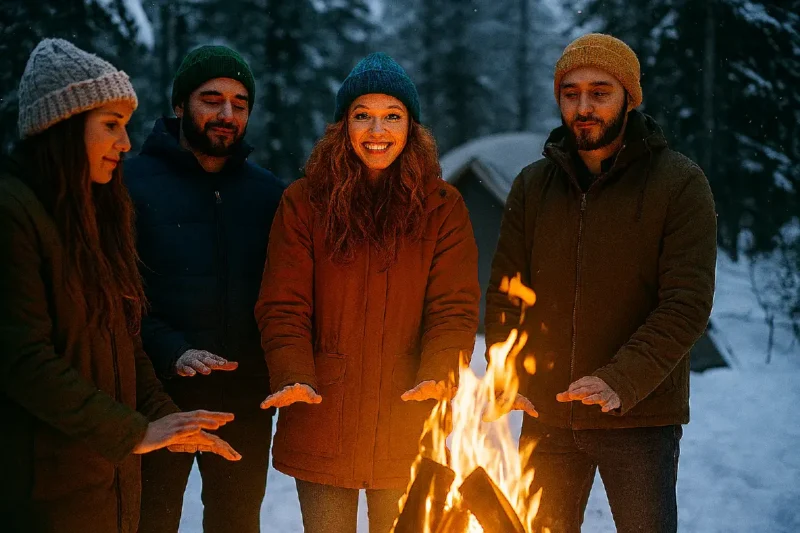
The landscape transforms into something almost otherworldly. Familiar trails become mysterious pathways through a crystalline wonderland. And the stars? On a clear winter night, with no humidity or haze, the sky becomes a brilliant tapestry that takes your breath away.
But perhaps most importantly, winter camping pushes you to connect with nature in a more intentional way. Every decision matters more when the temperature drops below freezing. You become acutely aware of your gear, your body, and your environment in ways that summer camping simply doesn’t demand.
Essential Gear: What I Learned the Hard Way
My first winter camping trip taught me that gear isn’t just about comfort—it’s about safety. Here’s what I discovered works (and what doesn’t) when the mercury drops…
The Sleep System: Your Lifeline
I cannot overstate the importance of a proper sleep system. My first mistake was thinking my three-season sleeping bag would suffice with some extra layers.
Wrong.
By 2 AM, I was shivering despite wearing every piece of clothing I’d packed.
For winter camping, invest in a sleeping bag rated at least 10-15 degrees below the expected low temperature. I learned this lesson while lying awake, teeth chattering, promising myself I’d upgrade my gear before the next trip.
Equally important is your sleeping pad. Cold ground will suck the warmth right out of your body, regardless of how good your sleeping bag is. I now use a closed-cell foam pad underneath an insulated air pad for maximum insulation from the ground.
Layering: The Art of Staying Warm
Forget cotton—it’s your enemy in winter camping. I learned this when my cotton base layer became damp with perspiration during the hike in, leaving me cold and clammy for hours.
The layering system that works for me now:
- Merino wool or synthetic base layer (moisture-wicking)
- Insulating layer (fleece or down jacket)
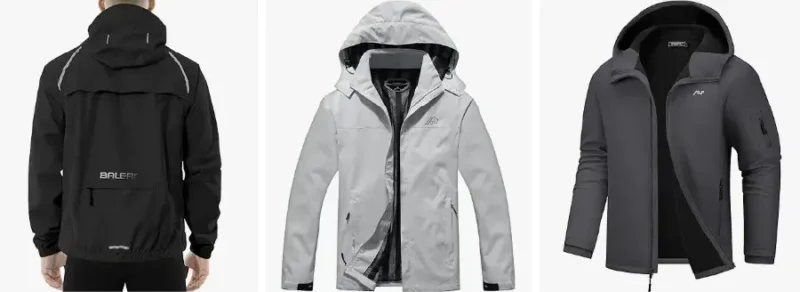
- Waterproof, breathable outer shell
The key is being able to add or remove layers as your activity level changes. Too warm while hiking? Remove a layer. Setting up camp? Add insulation before you get cold.
Footwear: Keep Those Toes Happy
Cold feet can ruin a winter camping experience faster than anything else. I learned to bring an extra pair of dry socks (merino wool socks are even better) for sleeping and to never, ever sleep in the same socks I hiked in. Moisture is the enemy of warmth.
Insulated, waterproof boots are essential, but don’t forget about camp shoes. I bring lightweight insulated booties for wearing around camp and inside my tent. Your feet will thank you.
Staying Warm: Practical Strategies
Eat and Drink for Warmth
Your body needs fuel to generate heat, so winter camping isn’t the time to skimp on calories. I pack high-energy foods and make sure to eat regularly throughout the day. Hot drinks aren’t just comforting—they’re a practical way to warm your core temperature.
I’ve become a master of the thermos. Hot tea, coffee, or even just warm water can be a game-changer when you’re feeling chilled. Pro tip: fill a water bottle with hot water before bed and tuck it into your sleeping bag. It’s like a personal heater that lasts for hours…and if you add lemonade flavored electrolytes, it fuels warmth + sleep.
Movement is Medicine
When you start feeling cold, move.
Do jumping jacks, take a short walk, or do some stretches. I learned this during that first frigid night when I spent too much time sitting still while setting up camp. By the time I realized I was getting cold, it took significant effort to warm back up.
The Buddy System
While I love solo adventures, winter camping is one activity where having a partner makes sense, especially when you’re starting out. Not only is it safer, but sharing body heat in a two-person tent can make a significant difference in comfort levels.
Safety First: What You Need to Know
Winter camping isn’t just about discomfort—it can be dangerous if you’re not prepared. Hypothermia and frostbite are real risks that require serious consideration.
Know the Signs
Hypothermia doesn’t always announce itself dramatically. Sometimes it starts with uncontrollable shivering, confusion, or loss of coordination. I make it a point to check in with myself regularly: Am I thinking clearly? Are my hands working properly? Can I perform simple tasks?
Have an Exit Strategy
Always let someone know your plans and have a way to get out if conditions become dangerous. Cell service might be spotty, but a satellite communicator or personal locator beacon can be lifesavers in emergency situations.
Weather Awareness
Winter weather can change rapidly. What starts as a pleasant snow shower can become a dangerous blizzard. I’ve learned to check weather forecasts obsessively and to be conservative about conditions. There’s no shame in turning back if the weather looks questionable.
The Rewards: Why It’s Worth It
Despite the challenges—or perhaps because of them—winter camping has become one of my favorite outdoor activities. There’s something deeply satisfying about successfully spending a night outdoors when most people wouldn’t even consider it.
The sense of accomplishment is profound. When you wake up in your tent, breath visible in the cold air, and realize you’ve successfully navigated a night in freezing temperatures, you feel capable of handling just about anything.
And the beauty? It’s indescribable. Sunrise over a snow-covered landscape, the way ice crystals form on your tent, the absolute silence of a winter morning—these are experiences that photos can’t capture and memories can’t fully convey.
Getting Started: My Advice
If winter camping intrigues you, start small. Try car camping in cold weather before venturing into the backcountry. Practice setting up your tent in winter conditions in your backyard. Test your gear on shorter trips before committing to longer adventures.
Most importantly, respect the environment and your own limitations. Winter camping isn’t about proving how tough you are—it’s about safely enjoying one of nature’s most beautiful seasons.
That first winter camping trip in Pennsylvania taught me that comfort zones are meant to be expanded, not shattered. With the right preparation, gear, and mindset, winter camping can open up a whole new world of outdoor adventure.
Just remember to pack extra socks.
Trust me on this one.
Share your cold weather tips in the comments below!