The Silk Road is often remembered primarily as a vast network of ancient trade routes that facilitated the exchange of goods between the East and the West. However, its true legacy extends far beyond commerce. The Silk Road was a dynamic conduit for the profound exchange of ideas, religions, and artistic traditions, fundamentally shaping the cultures of the regions it traversed.
As merchants traveled across the deserts and mountains of Central Asia, they carried with them more than just silk, spices, and precious metals. They brought their beliefs, philosophies, and artistic techniques. This constant interaction led to a remarkable blending of cultures, visible today in the art and architecture of cities along the route.
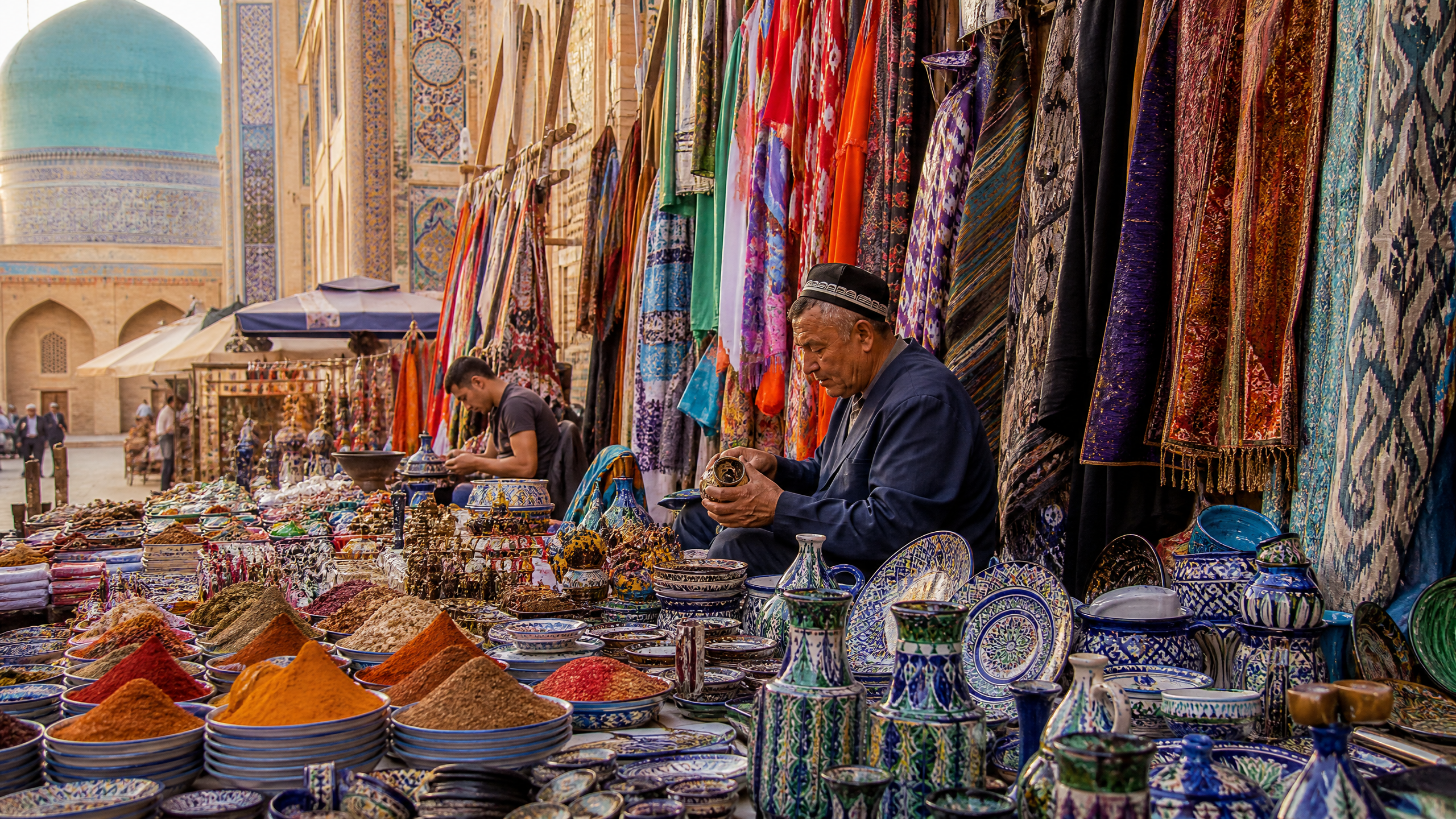
In places like Samarkand and Bukhara, the influence of this exchange is breathtakingly evident. The intricate tilework, towering minarets, and majestic domes reflect a synthesis of Persian, Islamic, and local Central Asian artistic traditions. The use of vibrant lapis lazuli blue, gold leaf, and complex geometric patterns became hallmarks of a shared aesthetic that evolved over centuries of cross-cultural contact.
Furthermore, the Silk Road was instrumental in the spread of major world religions. Buddhism, Islam, and Christianity all found pathways along these routes, leaving behind a legacy of monasteries, mosques, and churches that enriched the spiritual landscape of Central Asia.
This historical phenomenon is a classic example of Silk Road cultural exchange. It was a thriving marketplace of human creativity, where a ceramic technique developed in one empire could inspire artisans thousands of miles away.
Today, travelers to Central Asia can still witness the enduring impact of this exchange. From the vibrant textiles and intricate wood carvings found in local bazaars to the monumental architecture that defines the skyline of ancient cities, the art and culture of the region remain a testament to the enduring power of human connection across vast distances. The Silk Road did not just move goods; it wove the cultural fabric of the world.
Leave a Reply